

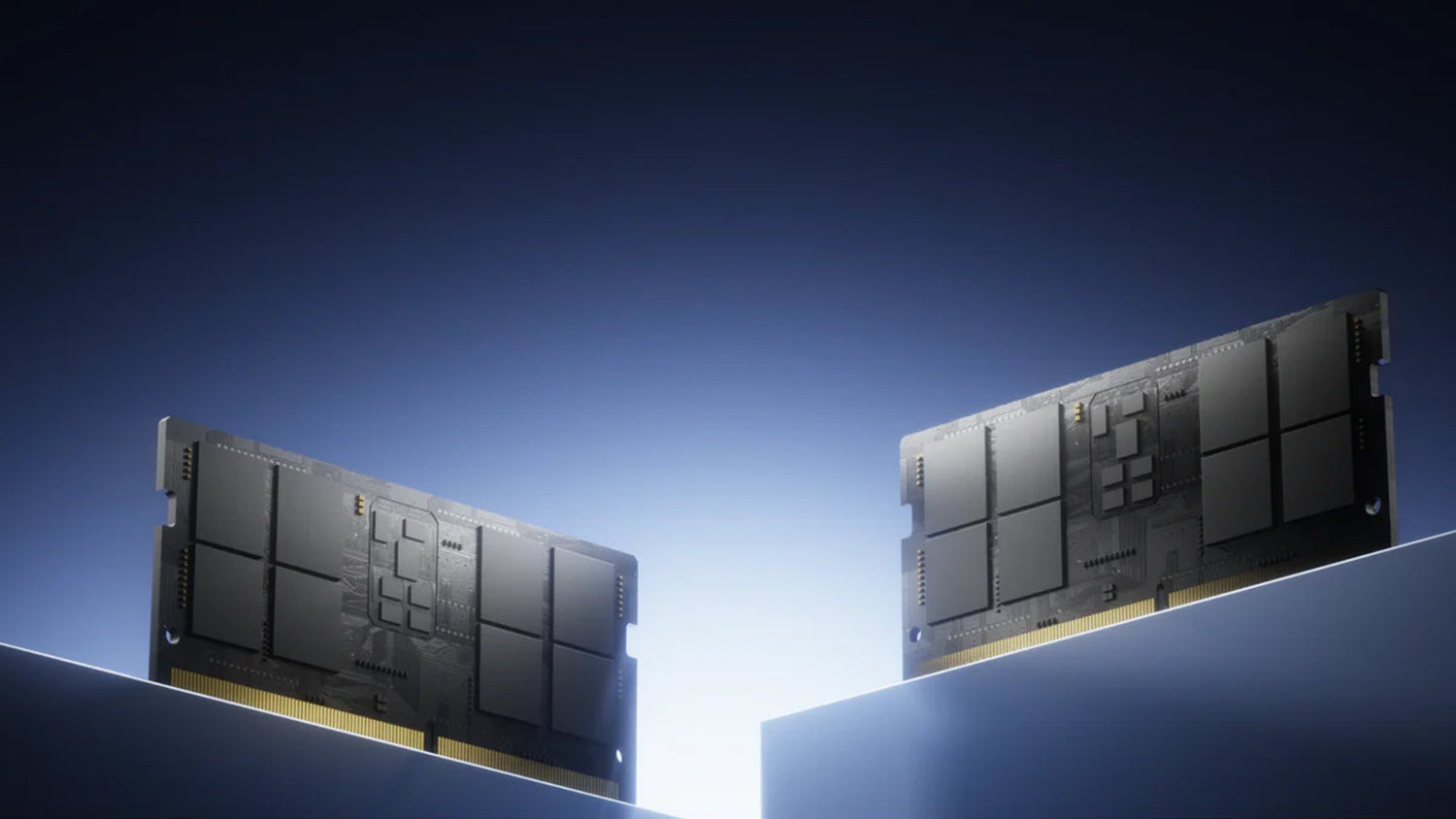
When we talk about high-performance PCs, everyone looks at the CPU and GPU first. But with the arrival of the AMD Strix Halo architecture, the spotlight is shifting. It’s no longer just about how much RAM you have—it’s about how fast that RAM can feed the beast.
The "Unified Memory" Revolution
In the new MS-S1 Max, we aren't looking at your typical DDR5 sticks. We are talking about onboard LPDDR5x clocked at a blistering 8533MHz.
For our audience in Europe—engineers, data scientists, and creative pros—this is the "Apple Silicon approach" finally brought to the open PC ecosystem. By soldering the memory close to the APU, Minisforum has achieved a 256-bit wide bus and massive bandwidth. This isn't just a spec bump; it’s the bridge that allows an integrated GPU to actually perform like a dedicated one.
64GB: The Sweet Spot for Modern Workloads
You might ask: "Is 64GB enough for 2026?"
If you’re just gaming, it’s overkill. But if you’re running Docker containers, virtual machines, or local AI inference, 64GB is the new 16GB.
The magic happens when you realize that this 64GB is shared. With 256GB/s bandwidth, the Radeon 8060S GPU can grab 32GB or more of that RAM to act as VRAM. Try finding a consumer graphics card in the European market with 32GB of VRAM for under €2,000. It doesn't exist. This setup democratizes high-VRAM computing for the rest of us, making it possible to run large-scale models without a server rack.
Low Latency, High Efficiency
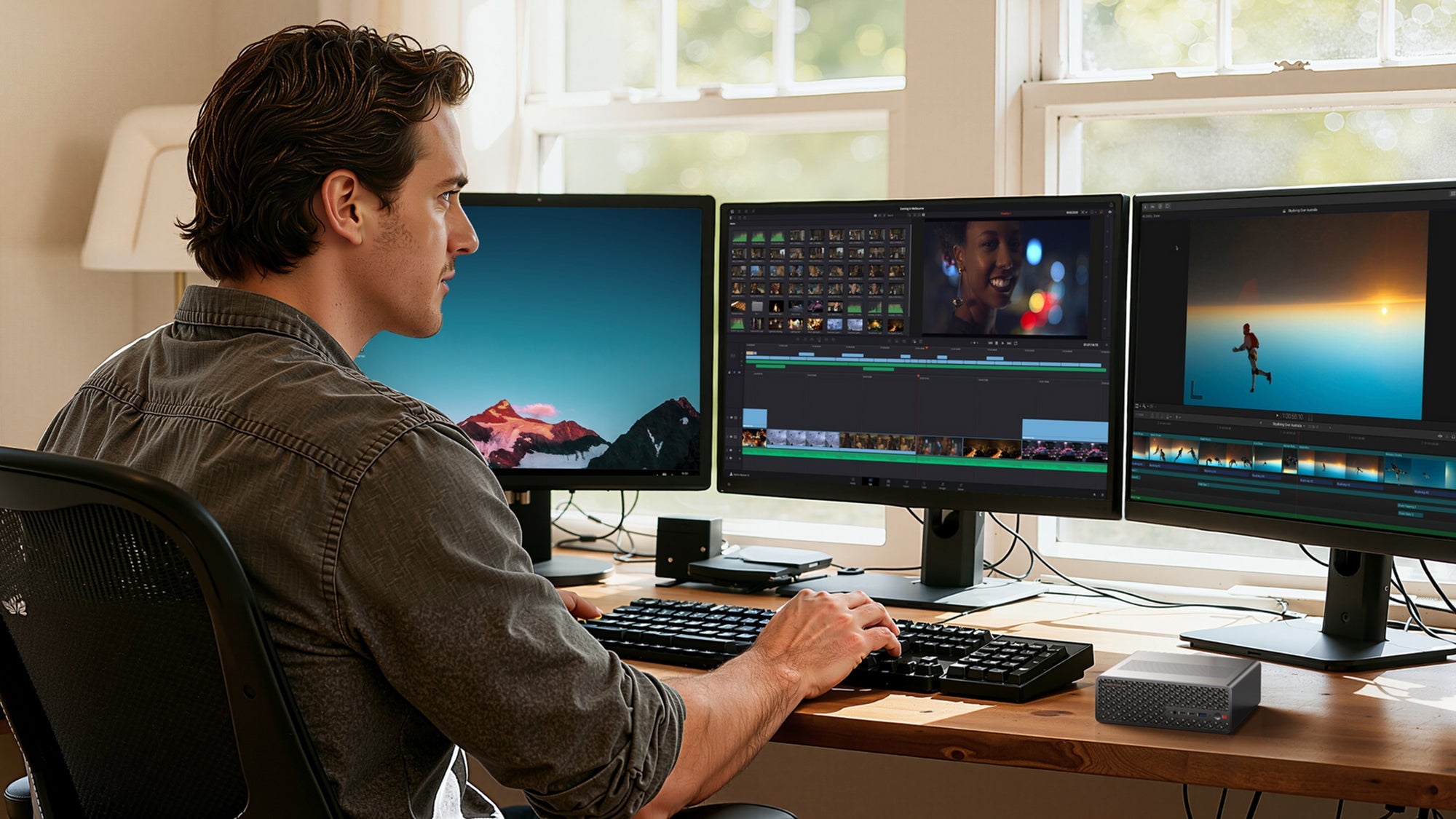
One thing we often worry about with high-frequency LPDDR is latency. However, at 8533MT/s, the sheer throughput compensates for the timings, especially in bandwidth-starved applications like 8K video encoding and large-scale data compilation.
Plus, there’s the efficiency factor. In an era where we are all conscious of our energy footprint and rising electricity costs, LPDDR5x offers a much better performance-per-watt ratio compared to traditional desktop DIMMs. You get the speed of a high-end gaming rig with the power draw of a premium ultrabook.
Final Thoughts: The End of the Upgradability Myth?
Yes, it’s soldered. No, you can't swap it out later. But when you start with 64GB of 8533MHz RAM, are you really going to need an upgrade before the CPU itself becomes obsolete?
For the professional who values stability, bandwidth, and out-of-the-box performance, this is a trade-off worth making. The MS-S1 Max isn't a toy for tinkerers to swap parts every six months; it's a precision tool designed to work from day one.
Is bandwidth more important than raw capacity for your specific workflow? Let us know in the comments!


Leave a comment
This site is protected by hCaptcha and the hCaptcha Privacy Policy and Terms of Service apply.